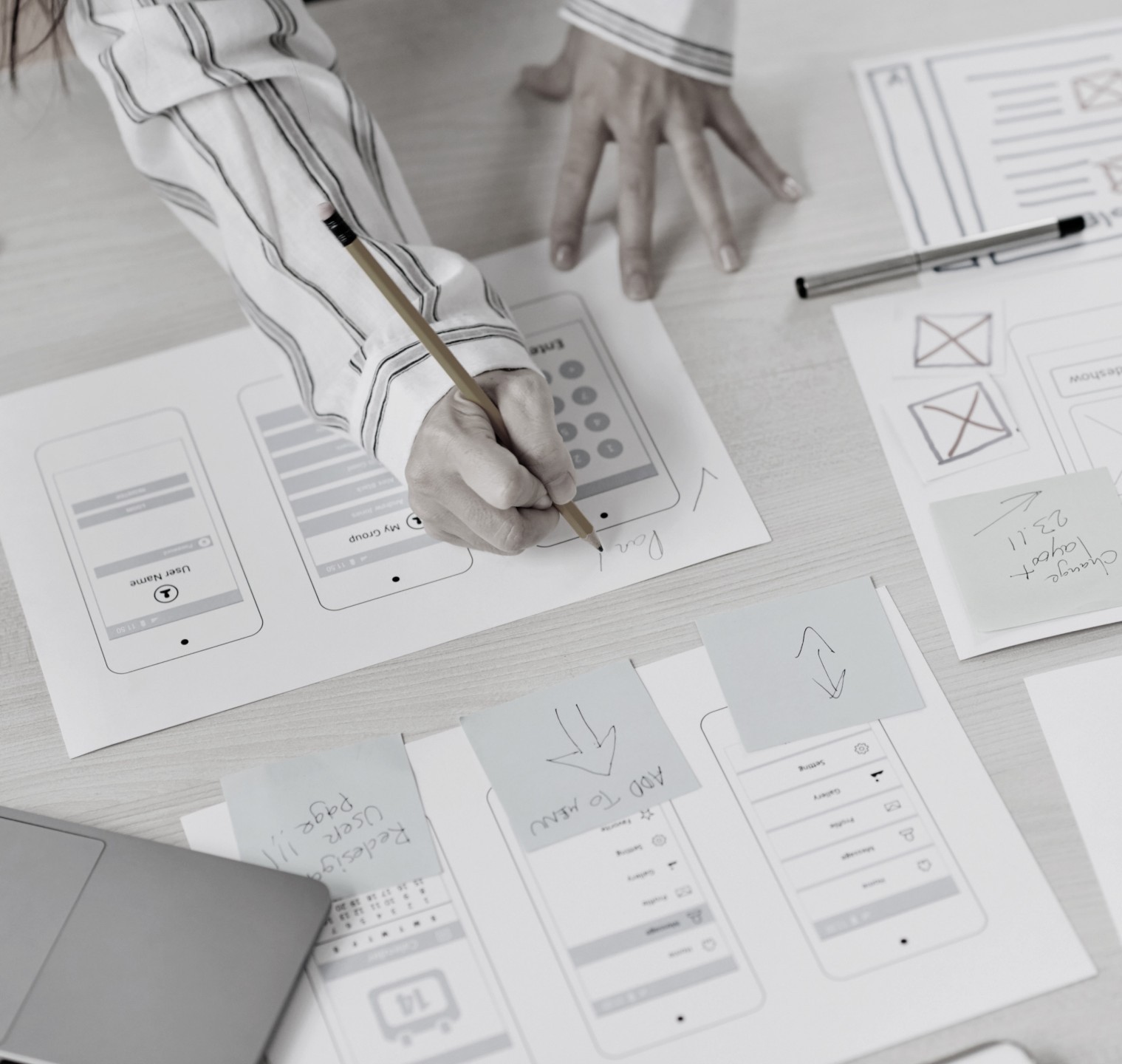
In the software world, developing a successful product no longer begins with
just a good idea; it's implemented with the right strategy. One of the
most important of these strategies is the concept of "MVP," or
(Minimum Viable Product). An MVP is the first version of a software
product, containing only its core functionality, released early for market
testing..
The goal is to see if the idea is actually in demand by users and to determine
the direction of the product with real feedback before making major
investments.
In traditional software development methods, the project wasn't released to
the user until it was completely finished. This resulted in both wasted time
and unnecessary costs. However, the MVP approach operates on the principle of
"test first, develop later." This allows the project to reach the
market quickly with a small budget and be refined based on user feedback.
For example, if you're developing a mobile app, you can initially create a
version that includes only
the most valuable features. This gives you the opportunity to observe
real-world user behavior and solid data for the future of the project.
The MVP process isn't just a technical choice; it's also a
product development philosophy. A successful MVP requires a balance of
three elements:
- Value: The product must provide real benefit to the user.
-
Scope: Unnecessary features should not be included in the
development process.
-
Feedback: User experiences should shape the next version of the
product.
For boutique software companies, an MVP offers a significant advantage,
especially for startups working with limited budgets. Small teams, thanks to
their flexible structure, can bring ideas to life much more quickly. This
allows for both rapid delivery to customers and early market positioning.
The MVP development process generally follows these steps:
-
Idea Validation: It is clarified which problem the product will
solve.
-
Target Audience Analysis: It defines for whom the product is
developed.
-
Basic Feature Determination: Features that provide minimum
functionality are selected
-
Prototype Development: A simple but working version of the
application is prepared.
-
Testing and Feedback: Users try the product, and development
continues with feedback.
For example, if you are building an e-commerce system, you can focus only on
the “product listing” and “order creation” modules in the first version, then
add features such as cart, campaigns or recommendation engines based on user
behavior.
This approach not only saves time and money, but also
minimizes risk. Because you take small steps instead of investing all
your resources in an idea that might fail.
By 2026 and beyond, the MVP approach in software development is no longer an
option; it's a necessity. In this rapidly changing market, companies that
quickly assess user needs stand out from the competition.